
Cole nesmith
Creating immersive experiences that engage your audience with meaning and purpose
Creating immersive experiences that engage your audience with meaning and purpose

I want to help you connect to your audience more deeply – whether in a gallery, a theater, arena, or in the public space. In an age in which we're increasingly detached and disconnected from the moment, compelling artistic experiences give us the opportunity to be present.
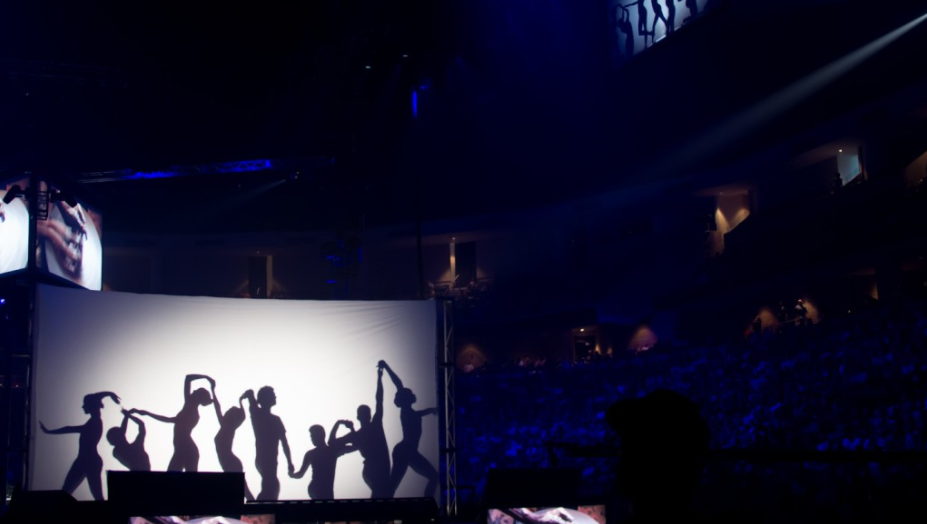
This was created with a team of collaborators for a conference in Colorado to tell stories from the conference's history.
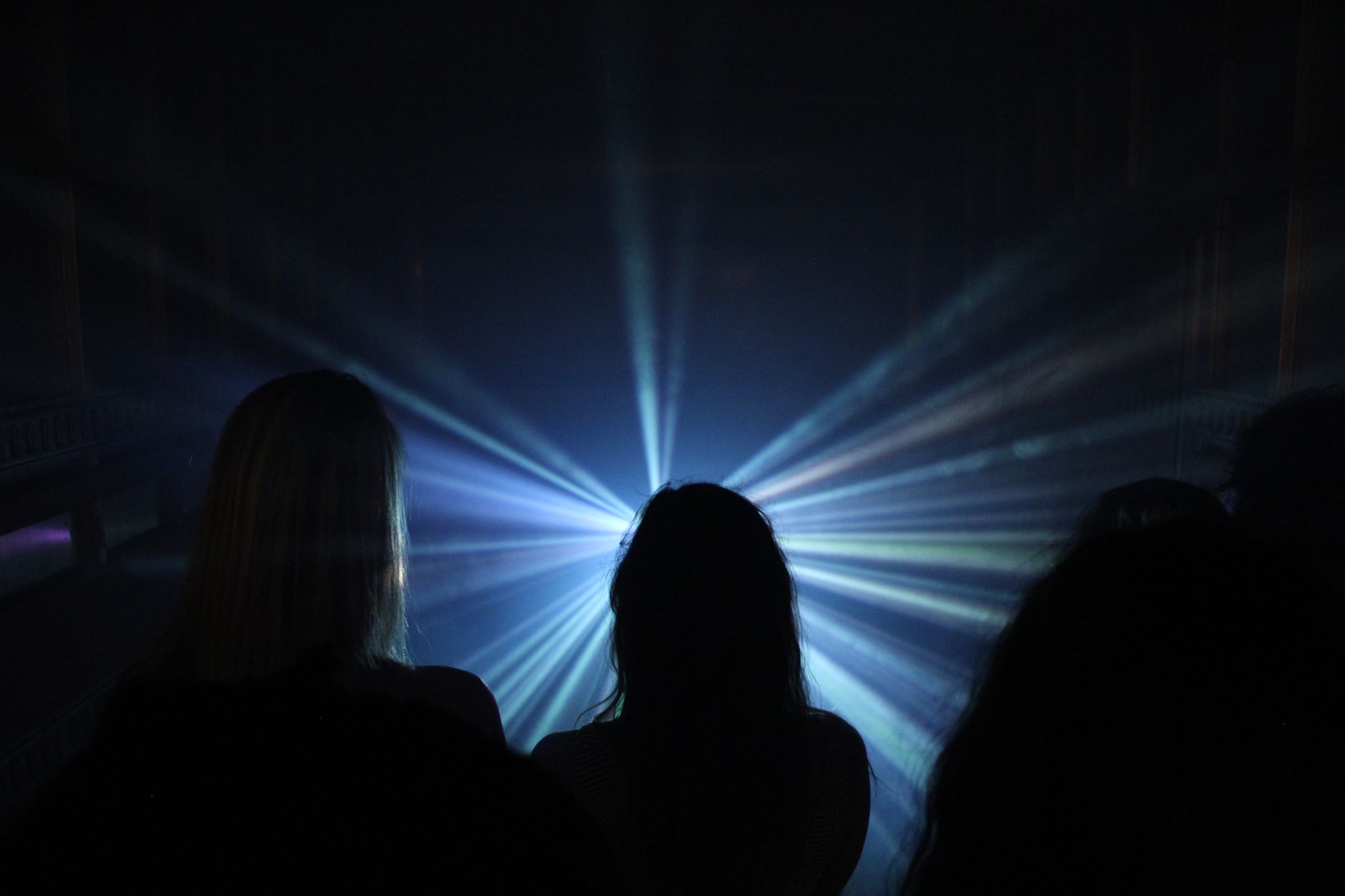
This intense light and sound installation has put audience from all over the country in the center of a visceral experience.
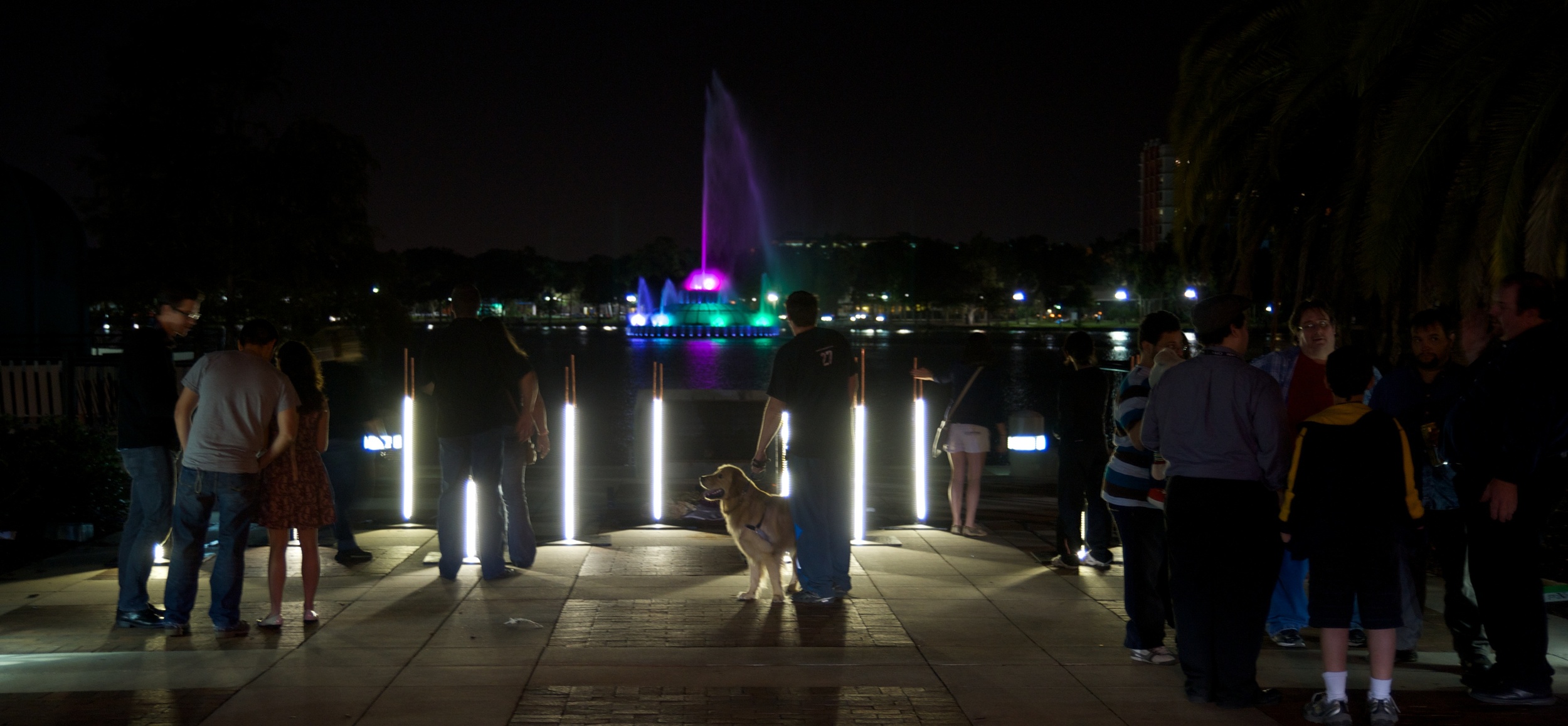
The Lake Eola Fountain is the visual centerpiece of Downtown Orlando. I created a system of ten touch-sensitive pedestals that triggered lighting and sound cues on the fountain. It was awesome to see people have a new level of intimacy with this icon they usually only see at a distance.
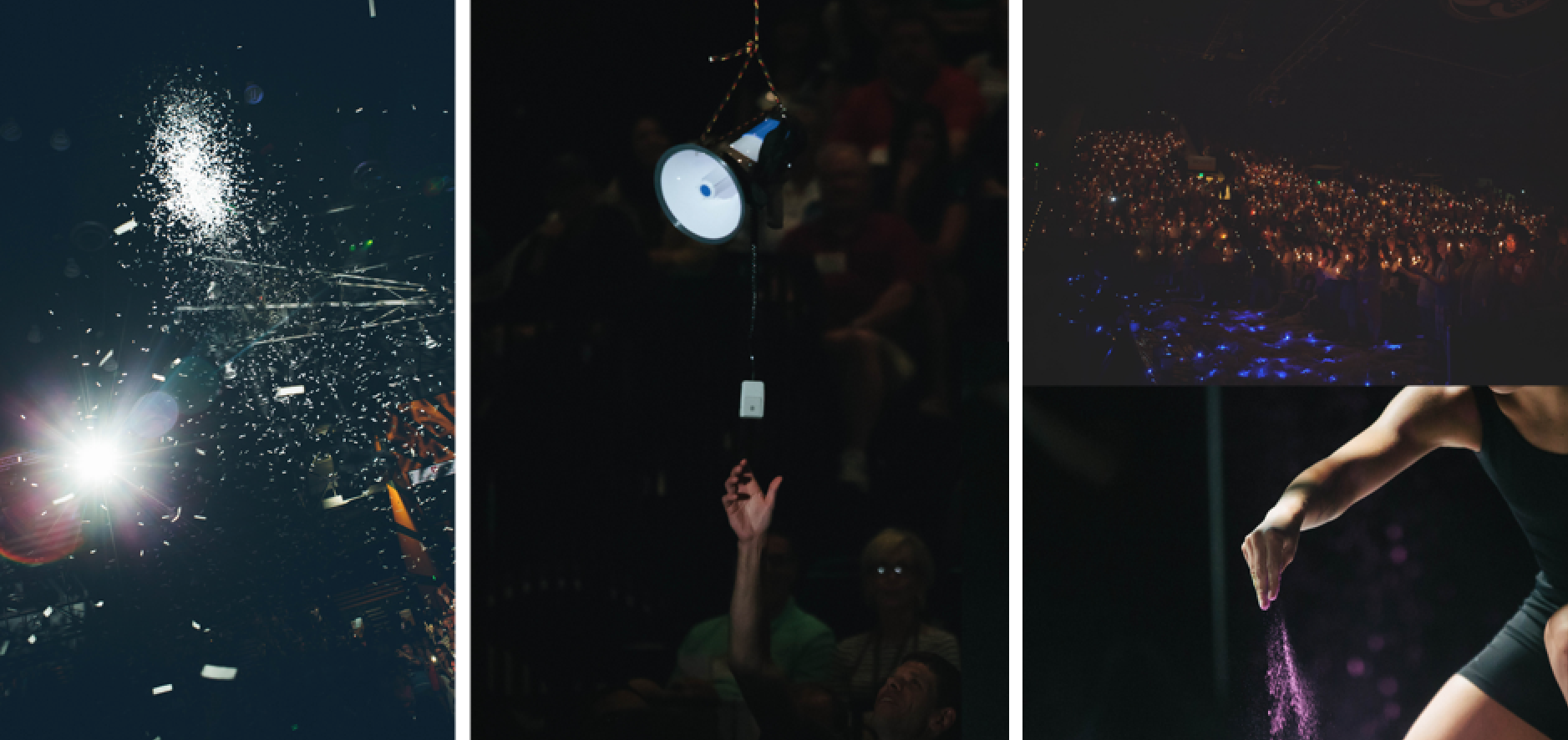
This conference in Colorado wanted to engage their 8000 attendees in a 45 minute interactive experience. So, I gathered some collaborators, and we used projection, technology, music, and lots of surprises to take the audience on a journey together.
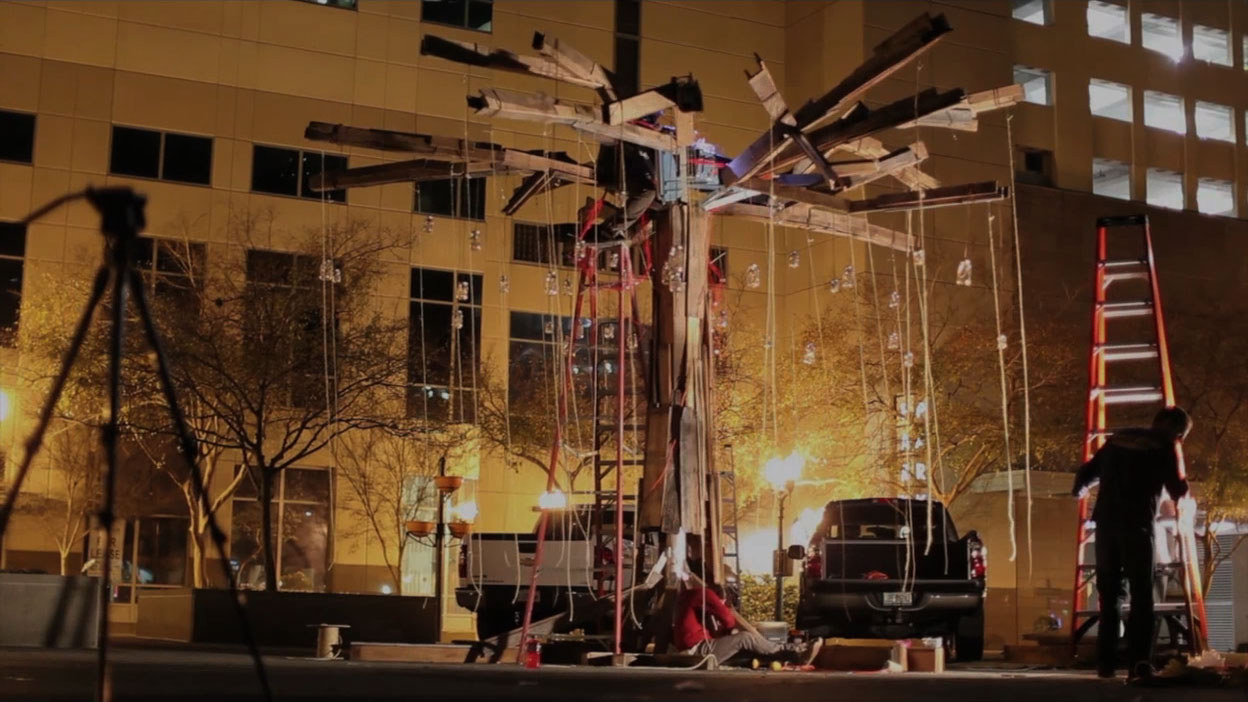
I created the Tree of Light with my friend, Josh Owen. Today, it stands as an icon of the Ivanhoe District just north of Downtown Orlando.
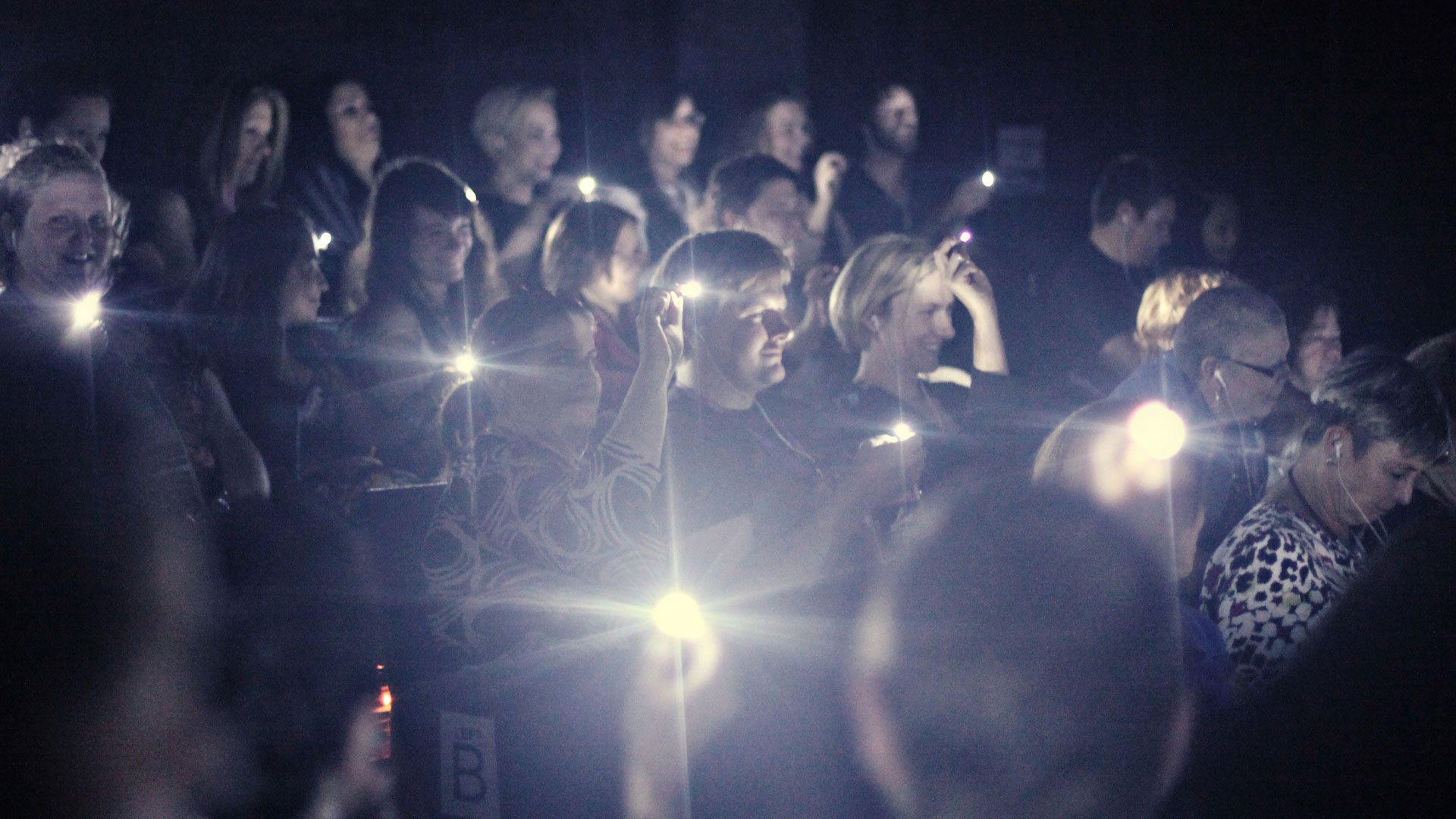
I wrote and produced this award-winning theater show featuring interactive elements. Each seat was fitted with a pair of ear-buds through which a third person, omniscient guide led patrons through introspective moments.
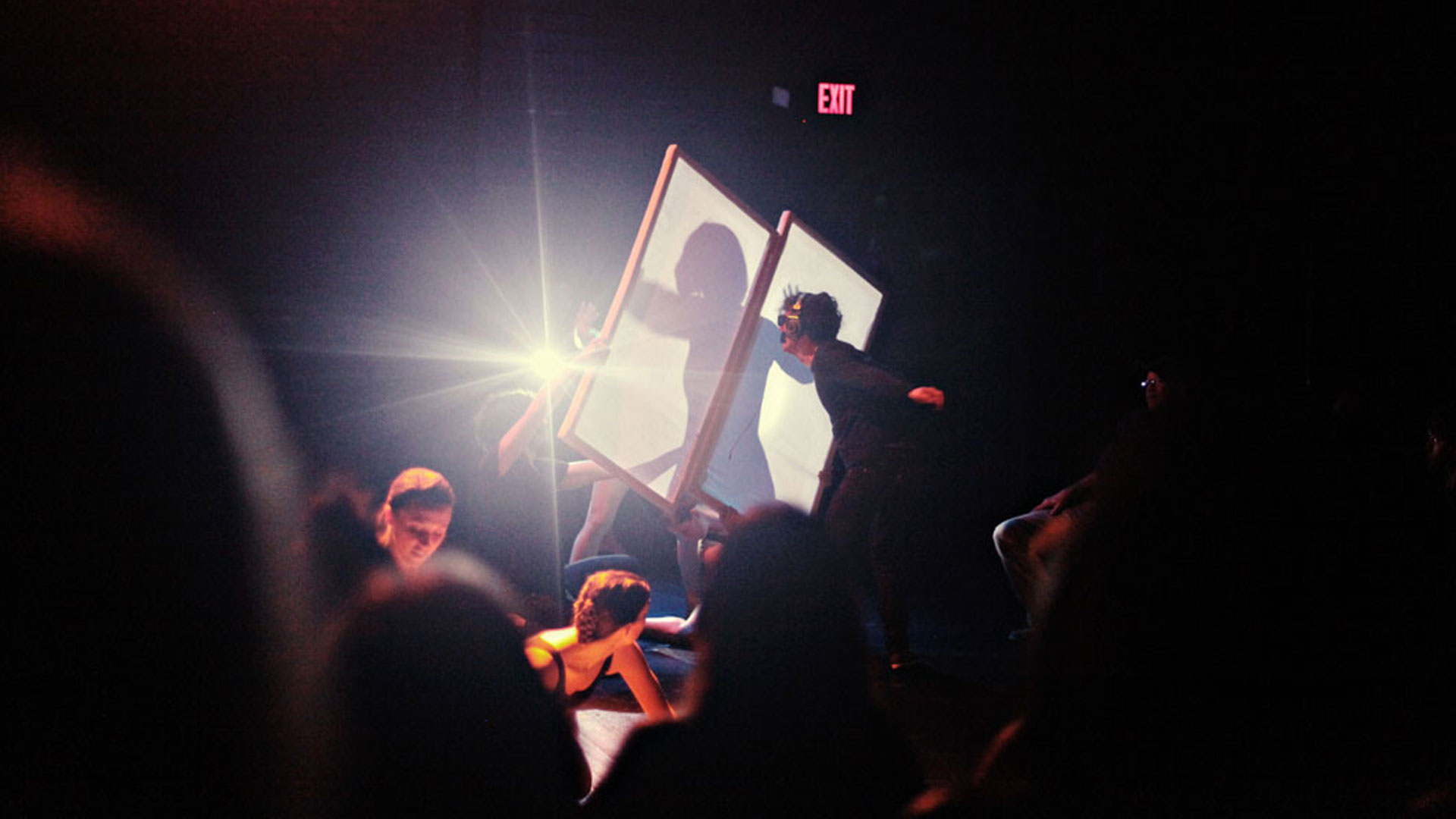
As the story unfolded on stage using movement, dialogue, and creative elements, audience members were invited to participate both on and off stage.


This is what Sydney from Capital One said about Cole's time with her team
"Cole’s talk reinvigorated our team. We are charged with championing culture and engagement among our associates. It becomes easy to beat yourself down when nothing seems to capture their attention, but after Cole’s talk, I felt energized again and was able to focus on our mission with a new outlook."

The Catalyst Conference wanted to encourage their attendees to "Awaken the Wonder" so this talk was devised with a blowing, 30' piece of fabric representing the potential of our dreams.

I worked with the Salt Nashville team on this talk about what to do when everything falls apart. Their team devised a system that allowed me to trigger the collapse of their entire backdrop during the talk.

This talk was part of Creative Mornings – a group of creative professionals. It was designed around "The Hidden Side of Creativity" to challenge artists to embrace collaboration for the sake of cultural change.


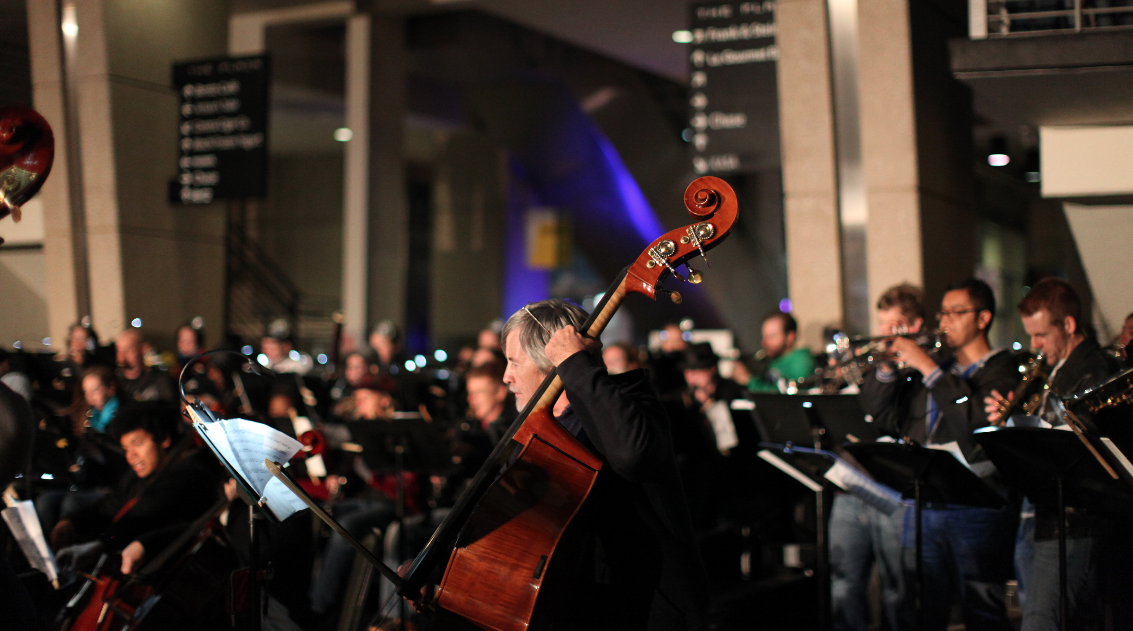
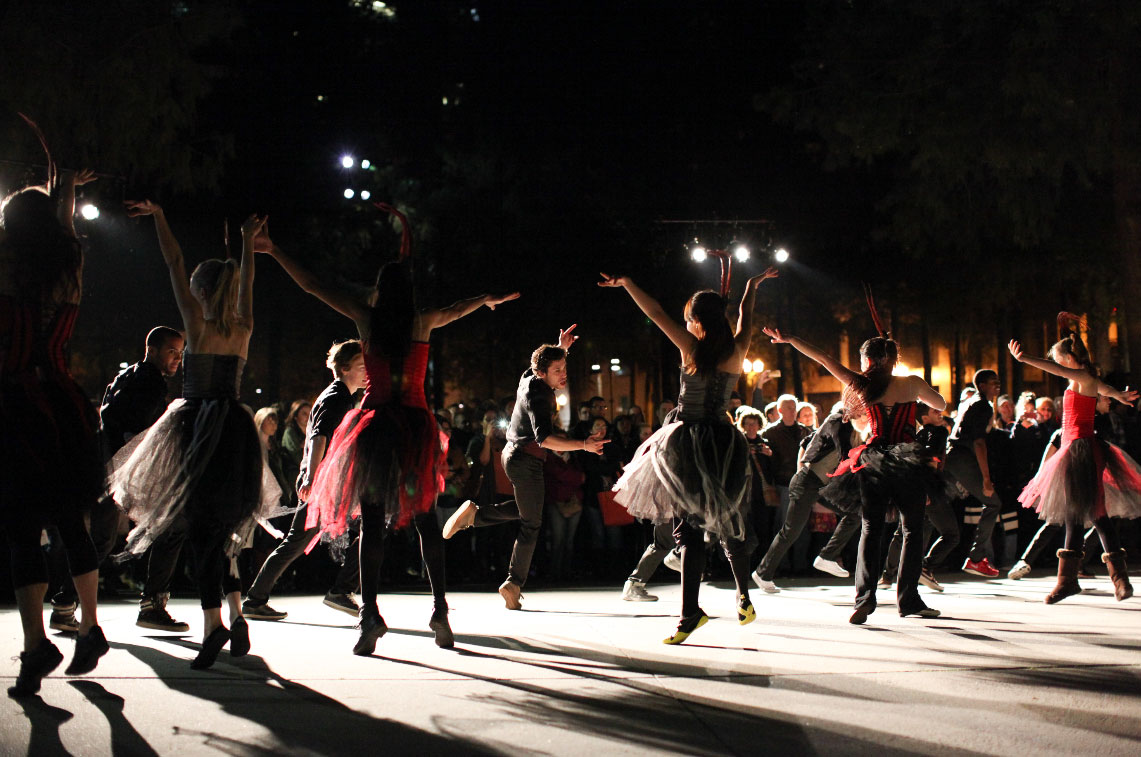
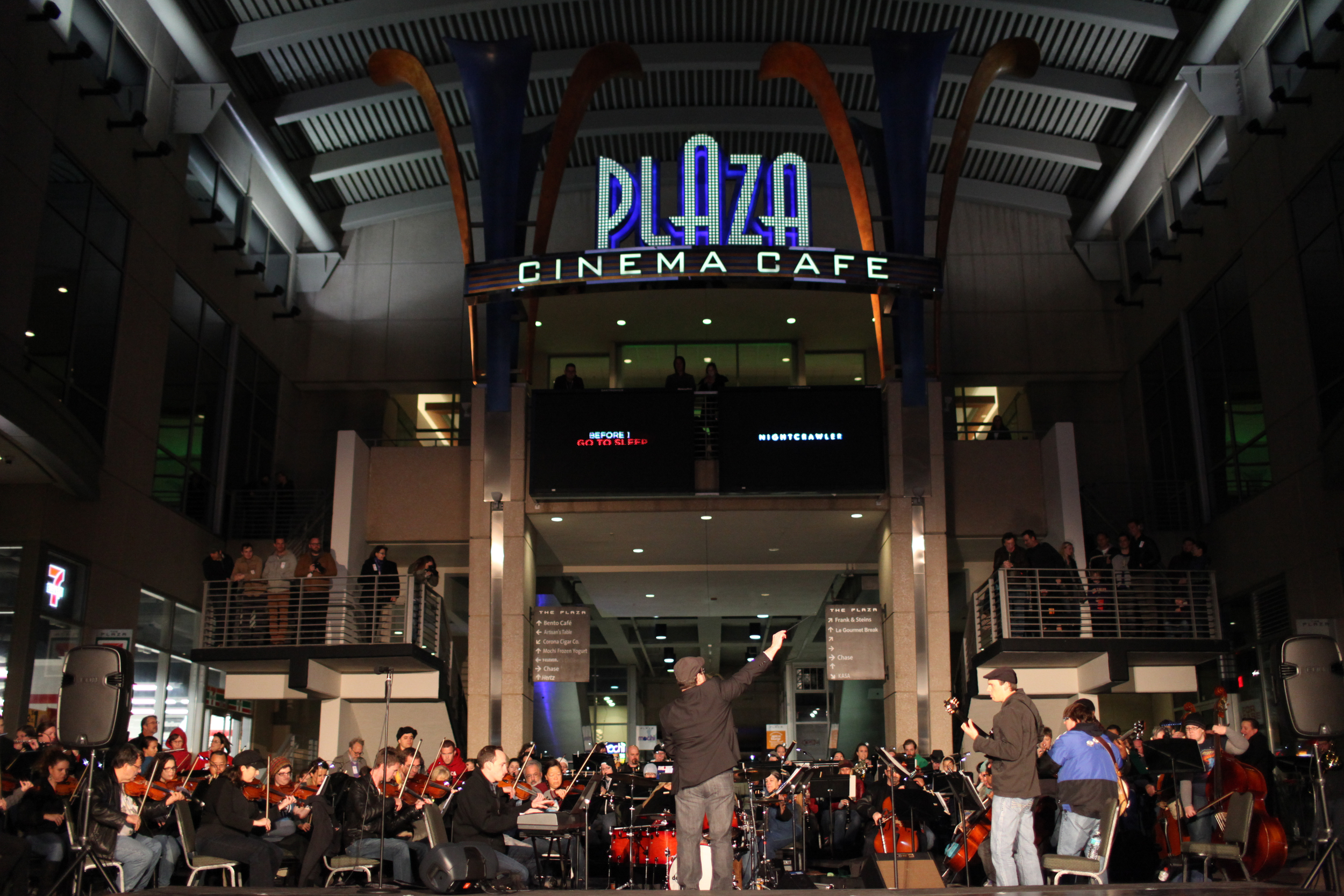
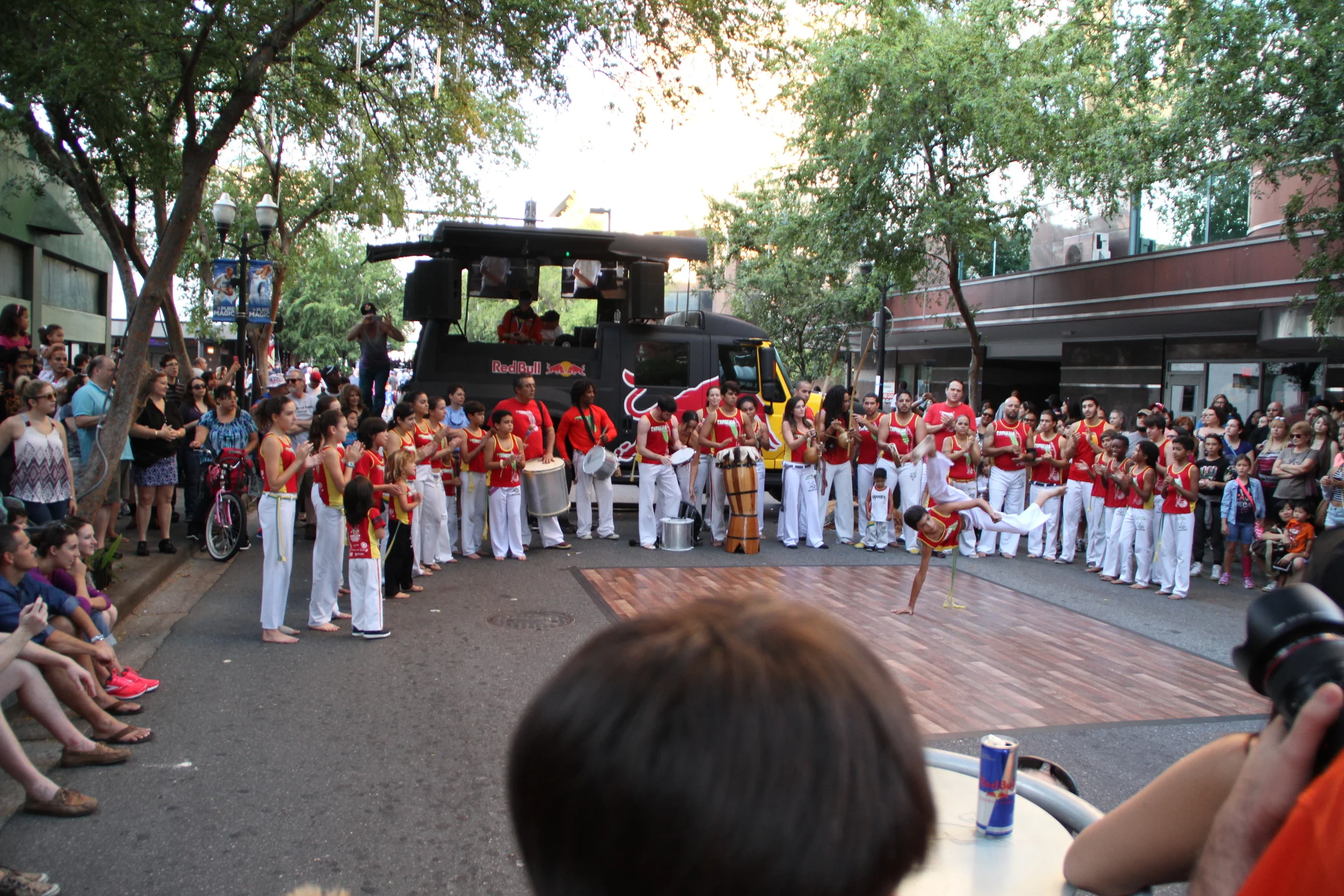
I'm honored to lead and collaborate with over 1000 artists as the Creator and Executive Director of the Creative City Project – a large scale arts event in streets and public spaces of Downtown Orlando. Since its inception in 2012, the Creative City Project has reached tens of thousands of patrons with unexpected experiences from thousands of artists.

"Lofty goals indeed, but if anyone can motivate a critical mass of people to make it happen, it just might be NeSmith, whose powerful gift for eloquent rhetoric resonates..."
- Seth Kubersky, Orlando Weekly
"The free event's goal is an experience you've never had before, which is what it's like to meet the person behind Creative City."
- Kevin Spear, Orlando Sentinel
Stories are powerful, and I want to help you tell your story. Whether through embodying a character or getting to the heart of an interview, let's dig deep and tell a story that changes the world.

Click through to see head shots and a versatility of looks.

I have appeared in films as well as on NBC, ABC and the Travel Channel.

Nearly nothing rivals the experience of bringing a character to life before a live audience.
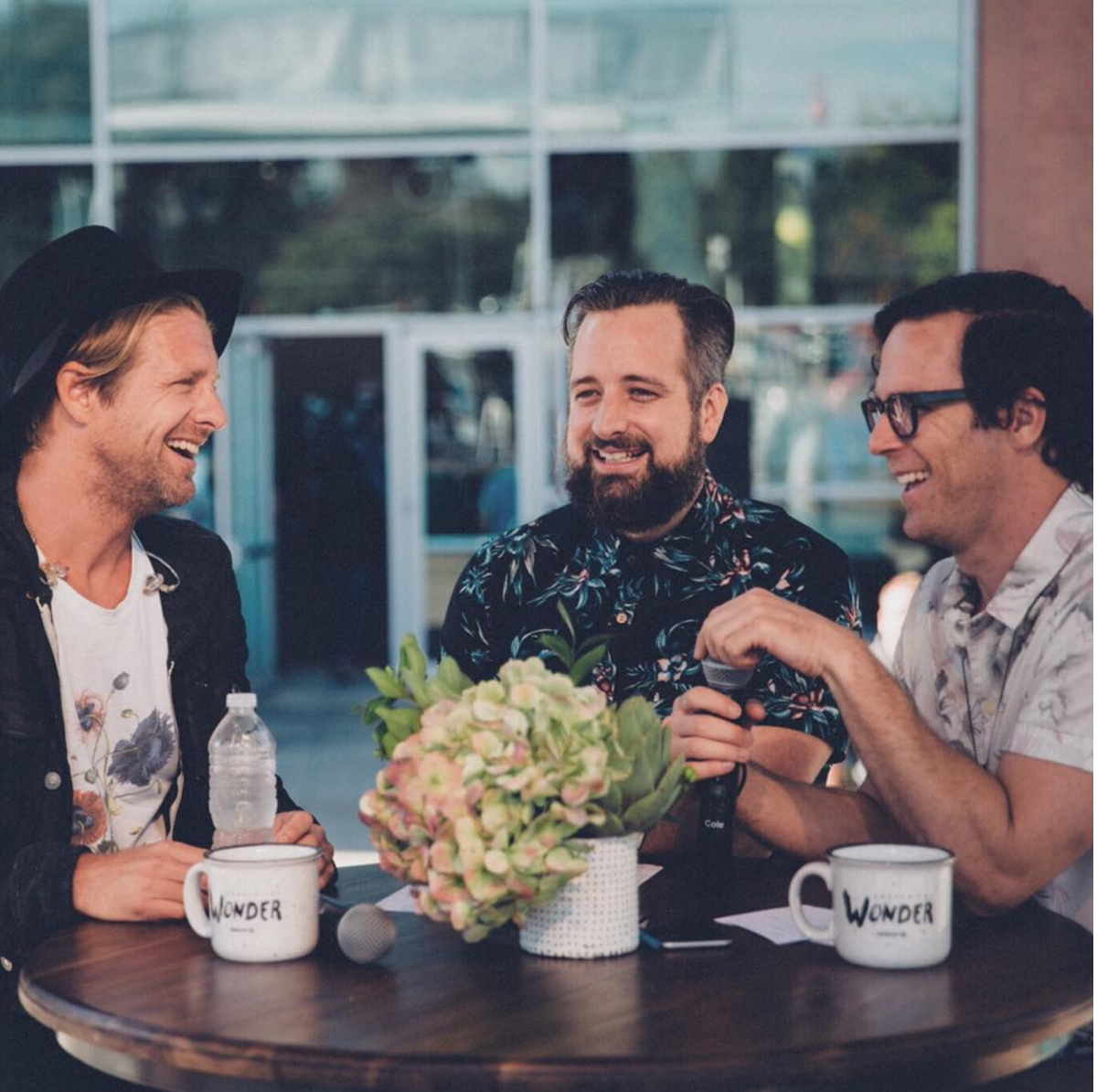
I love asking interesting questions to interesting people.

Matt Palm, of the Orlando Sentinel
"a bold performance that avoids caricature."
an "exuberant Dickon in Mad Cow Theatre's production of 'The Secret Garden.'"
"a carefully modulated performance as intoxicated comic relief... without seeming to be careful."

We feel deeply everyday, but why? In this podcast, I help us discover some of the things happening below the surface of our everyday experiences.





@colenesmith
@colenesmith